Published on July 2025
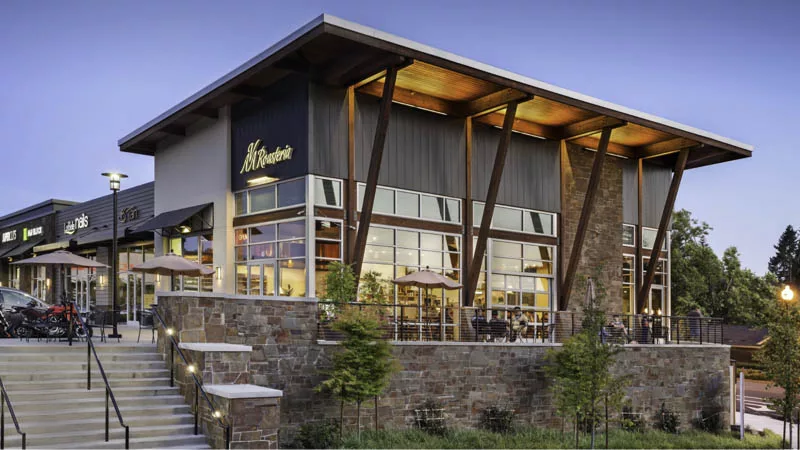
In today's competitive business world, commercial spaces must do more than provide physical functionality - they must create memorable, inspiring experiences that resonate with users, clients, and employees. Whether it's a modern office, a vibrant retail store, a hospitality venue, or a collaborative co-working space, the design must reflect brand identity, cultural values, and evolving workplace expectations. In 2025, thoughtful commercial design is a proven catalyst for employee productivity, customer engagement, and brand loyalty.
The Rise of Experiential Design One of the most important trends in commercial design is the shift from static, formal spaces to experiential environments that evoke emotion and interaction. For example, retail spaces are now embracing immersive layouts where customers can experience the product—like augmented reality fitting rooms, touchscreen product exploration walls, and Instagram-worthy corners. Similarly, office spaces are moving beyond cubicles to incorporate activity-based zones, lounge-style seating, nap pods, and biophilic design to reduce stress and encourage creativity.
Biophilic and Wellness Design Biophilic design, which incorporates natural elements like sunlight, water features, plants, and natural materials, is now a staple in commercial architecture. Access to greenery and natural light has been shown to boost employee satisfaction and reduce absenteeism. Many businesses are even integrating green walls, indoor gardens, and air-purifying plants to support workplace wellness. Combined with circadian lighting, noise control systems, and ergonomic furniture, these design elements significantly improve physical and mental well-being.
Flexible & Modular Workspaces As hybrid and remote work models dominate post-pandemic business culture, flexibility is key. Modular workstations, movable partitions, convertible meeting rooms, and cloud-connected infrastructure allow teams to scale and reconfigure spaces based on evolving needs. Furniture that can serve dual purposes—like storage benches or fold-out desks—is increasingly popular in startups and small businesses.
Sustainability as a Priority Sustainability in commercial design isn't just a corporate responsibility—it's a marketing tool. Energy-efficient HVAC systems, motion-sensor lighting, recycled materials, and water-saving plumbing fixtures are now essential features. Businesses are proudly showcasing their green certifications and sustainability credentials as part of their brand story. In fact, companies occupying LEED-certified or WELL-certified buildings often enjoy higher retention rates, better employee performance, and increased consumer trust.
Smart and Connected Infrastructure Commercial spaces are becoming smarter with IoT-enabled devices managing energy usage, lighting, security, and occupancy. Digital dashboards track real-time usage, helping facility managers optimize costs and carbon footprint. Touchless access systems, sensor-based lighting, and AI-powered climate control create seamless and secure environments.
The Role of Brand Storytelling in Design A commercial space should visually communicate the brand's purpose and values. For example, a tech company might use minimalist design, glass partitions, and futuristic lighting to reflect innovation, while a wellness spa might opt for earthy tones, soft textures, and natural fragrances to evoke calm. From the reception area to the meeting rooms, design must be aligned with messaging.
In conclusion, an inspiring commercial space is not just beautiful—it's strategic. It balances aesthetics, performance, well-being, and sustainability to create spaces that energize people, embody the brand, and adapt to future needs. It's not about more space—it's about more meaning per square foot.
Enter your email address & get listed
 KIRTIMUKHA CONSTRUCTIONS